
BOXER presents Diggory Lynch’s debut solo show as its inaugural exhibition. The show takes its title from Margaret Tait's 1964 film ‘Where I Am Is Here’, a work that meditates on memory and the fragments through which experience is recalled. Lynch's photographs occupy a space between presence and absence, drawing from found film discovered among the belongings of his grandparents.
The exhibition was born from Lynch’s exploration into his grandfather’s home-made movie archive. Through splicing seventy-year-old negatives and re-printing them in the darkroom, Lynch removes the images from their original context, allowing new micro- narratives to emerge. These works are shown alongside Lynch’s own photographs, which share a similar visual language and draw attention to the limitations, instability, and strangeness of the still image.
The images are removed from their original contexts and made new. Familiar gestures and domestic settings become difficult to locate within a coherent narrative. Detached from their linear histories, the photographs exist as fragments.
The removal of an image from motion becomes an act of disruption. Extracted from the flow of time, the still image is orphaned from the event that produced it, acquiring a new autonomy. Lynch is interested in this moment of dislocation: where narrative breaks down and images begin to exceed the limitations with which they were originally made.
Echoing John Stezaker's observation that familiarity can dull our capacity to see, Lynch's works seek to restore a sense of uncertainty to the photographic image. Rather than offering clear stories, they linger in the gaps between what is shown and what is withheld. Ghostly traces of people and places emerge only partially, resisting easy recognition.
Working through analogue photographic processes and hand-printing techniques, Lynch approaches the archive not as a site of preservation but as a space of transformation. The resulting works propose elusive narratives that remain untethered from their origins, inviting us to dwell in moments of ambiguity and estrangement.
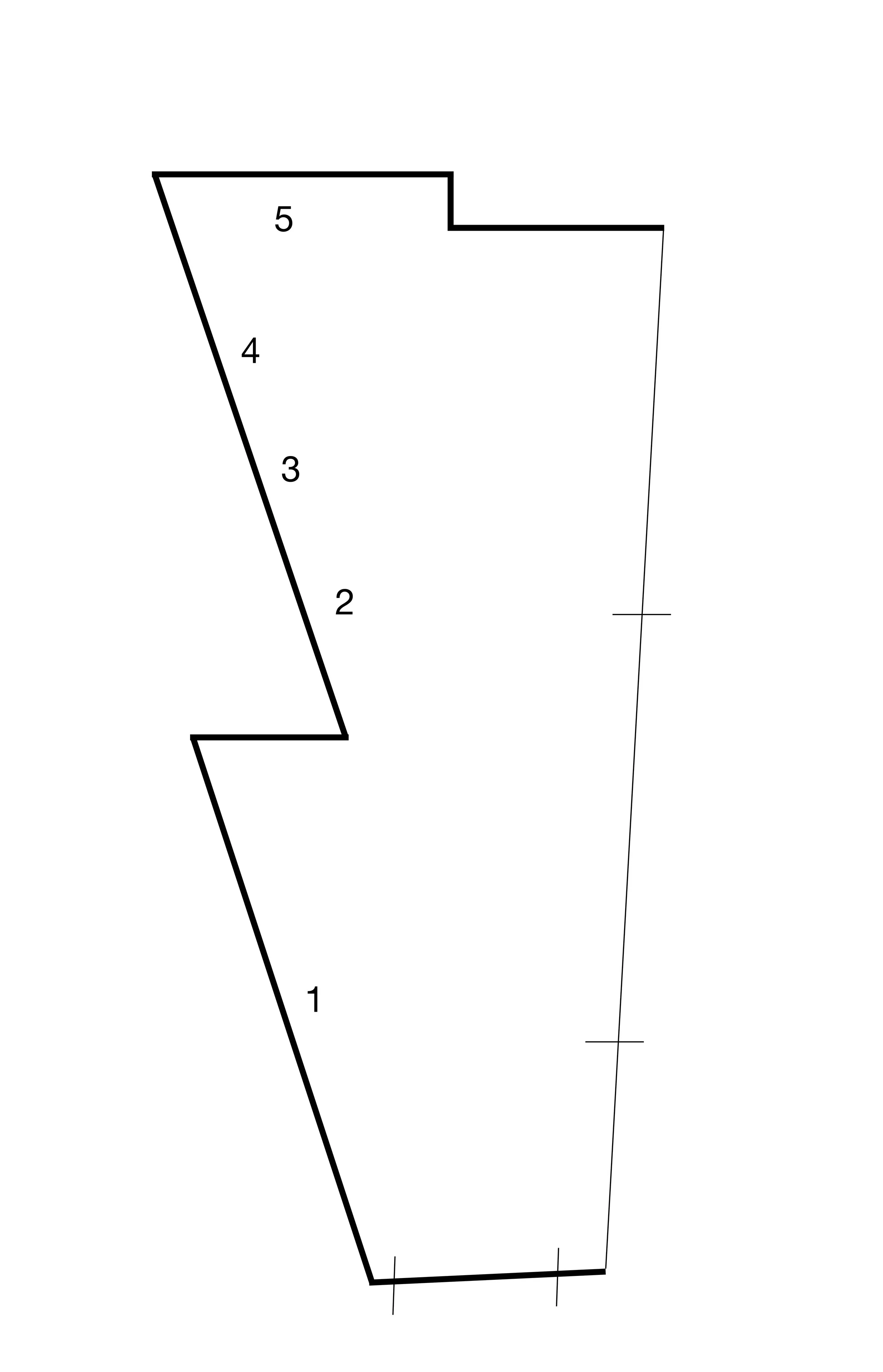
1 - Untitled (2026)
C-Type darkroom prints on Fuji DP-II paper
2 - Glasz I (2026)
C-Type darkroom prints on Fuji DP-II paper, framed in polished aluminium
3 - Glasz II (2026)
C-Type darkroom prints on Fuji DP-II paper, framed in polished aluminium
4 - Glasz III (2026)
C-Type darkroom prints on Fuji DP-II paper, framed in polished aluminium
5 - I Roll You The Sun (2026)
C-Type darkroom prints on Fuji DP-II paper